
Tree Trimming & Pruning in Colorado Springs for overgrown branches threatening roofs, driveways, and utility lines
Noland Land & Tree trims and prunes trees in Colorado Springs to maintain healthy growth, remove dead or damaged limbs, and clear branches that encroach on structures or interfere with safe access around your property. You may need limbs lifted away from your roof before winter snow load increases the risk of impact, deadwood removed after a dry summer has left branches brittle and loose, or a tree shaped to restore balance after storm damage. This service addresses those needs by selectively cutting branches, thinning crowns where necessary, and hauling away all trimmed material.
Pruning work begins with an evaluation of the tree's structure, health, and proximity to buildings, power lines, or paved areas. Dead branches are removed first to eliminate immediate hazards. Overgrown limbs that cross or rub against each other are cut to reduce future breakage, and the canopy is thinned if density is blocking airflow or sunlight from reaching lower growth. Cuts are made at the branch collar to promote proper healing and prevent decay from entering the trunk. For trees near rooflines or driveways, clearance cuts ensure a buffer zone that accounts for seasonal growth and wind movement.
If branches are hanging low over your driveway, scraping your roof, or crowding a power line, reach out to discuss trimming that restores clearance and supports the long-term structure of the tree.
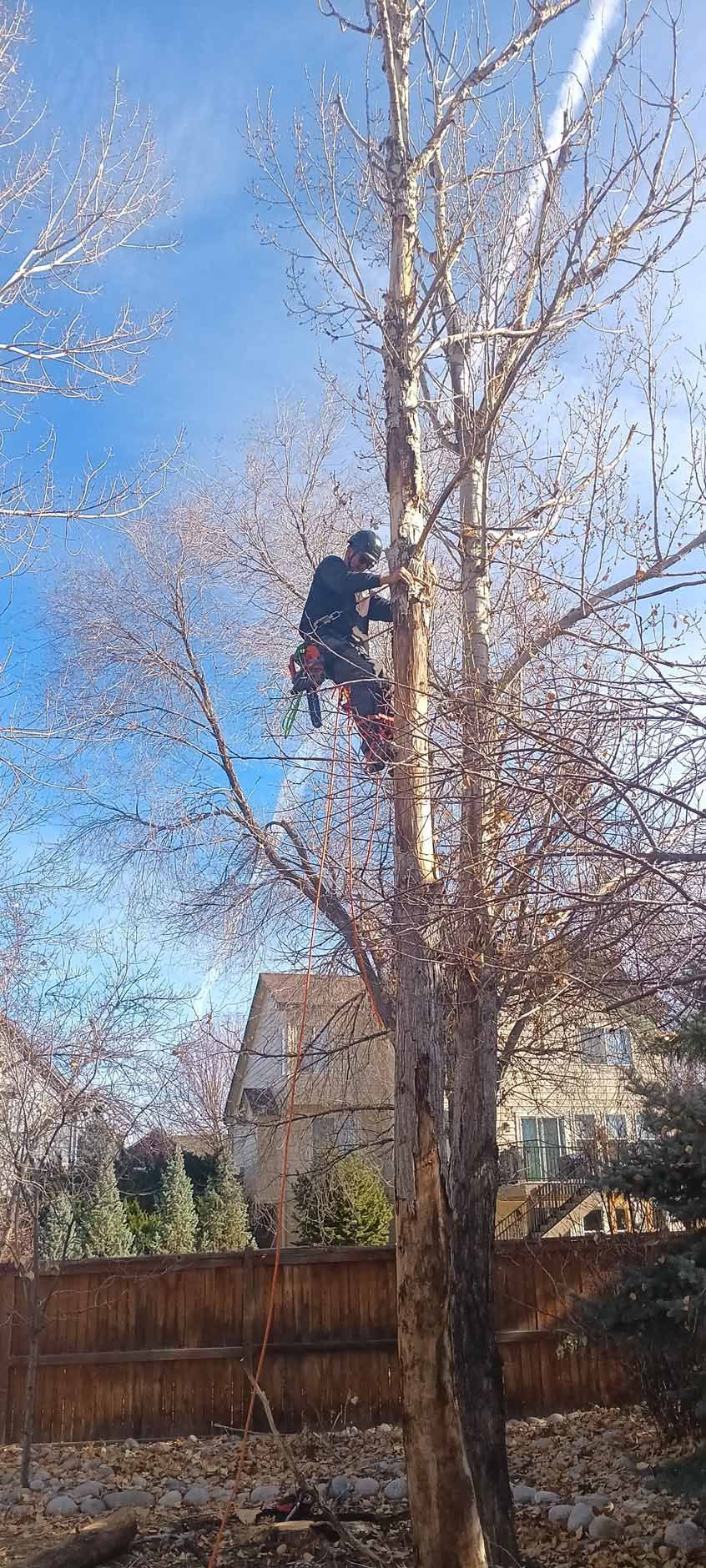
How Routine Pruning Supports Tree Longevity
Regular pruning removes stress points before they become failures, particularly in species that grow rapidly or develop heavy horizontal limbs. By cutting back competing leaders, removing codominant stems, and thinning dense canopies, the tree redirects energy into stronger, more evenly distributed growth. This reduces the likelihood of limb failure during high winds or ice accumulation and improves light penetration to the interior branches and understory plantings below.
After trimming is complete, you will see a cleaner canopy outline, increased clearance around structures, and no hanging deadwood or low limbs obstructing walkways. Noland Land & Tree hauls all cut branches and debris off-site, leaving your yard free of slash piles and wood litter. The tree itself responds with improved vigor during the next growing season, particularly when pruning is timed to align with dormancy or early spring.
Seasonal pruning schedules depend on the species and your goals. Deciduous trees are typically pruned in late winter before bud break, while conifers tolerate trimming throughout the growing season. Clearance work near power lines or roofs can be performed any time hazard conditions exist. The service does not include stump removal, soil amendment, or treatment for pest infestations, though trimming may reduce habitat for certain insects by eliminating deadwood and improving airflow.
Common Questions About Trimming and Pruning
Homeowners in Colorado Springs often ask about timing, how much to remove, and what changes to expect after the work is done, especially when dealing with mature trees near homes or along property edges.
How much of the canopy can be removed at once?
Most healthy trees tolerate removal of up to 25 percent of the canopy in a single session, though the exact amount depends on species, age, and overall condition.
When is the best time to prune a tree?
Late winter is ideal for most deciduous species, as cuts heal quickly once growth resumes and the risk of disease transmission is lower when insects are inactive.
What tools are used for trimming work?
Hand saws, pole saws, and climbing gear handle most pruning tasks, with larger limbs requiring rigging or a small crane if they overhang structures or need controlled lowering.
Why trim branches that are not dead?
Living branches may need removal to correct structural issues, reduce weight on weak unions, improve clearance, or shape the tree for better wind resistance and long-term stability.
How does trimming affect tree health in Colorado Springs?
Removing deadwood and thinning dense growth improves airflow and light penetration, which helps reduce fungal pressure and supports the tree's ability to withstand dry conditions and temperature swings common along the Front Range.
If your trees need clearance work, structural correction, or seasonal maintenance, contact Noland Land & Tree to arrange a site visit and review which cuts will support both safety and long-term tree health.